
What Every Homeowner Should Know About Indoor Air Quality
Most of us think about indoor air quality only when something feels off. A stuffy room. A layer of dust that keeps coming back. A sneeze that won’t quit during allergy season. The reality is that the air inside your home can hold more dust, dander, and pollutants than the air outside, and your family breathes it in all day long.
Here is the good news: you already own most of the tools you need to fix it. A home heating and cooling system does far more than control temperature. Used well, it becomes one of the best defences you have against poor indoor air.
Here is how to create a healthier indoor environment for the people you care about most.
Start With the Right Furnace Filter
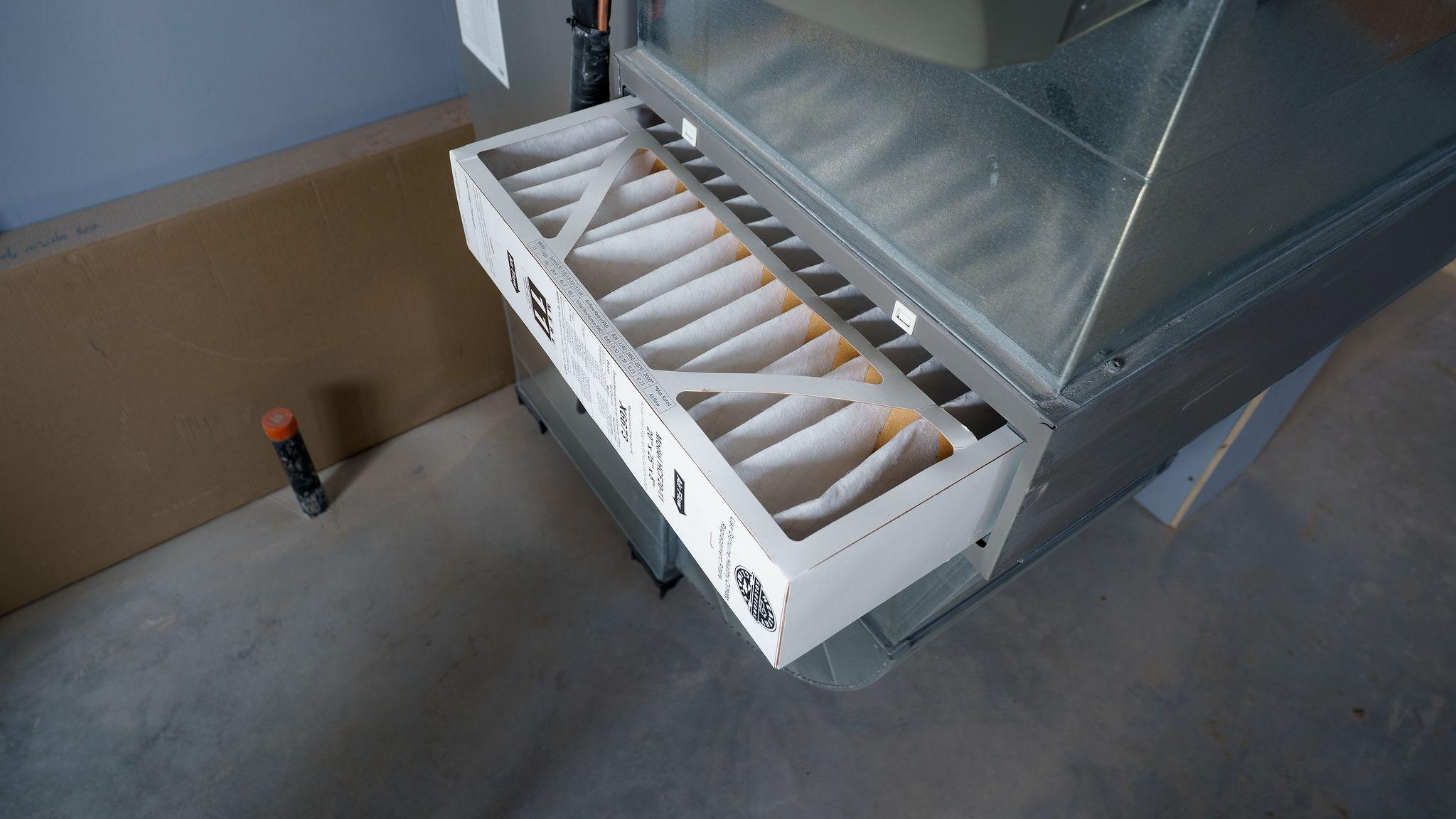
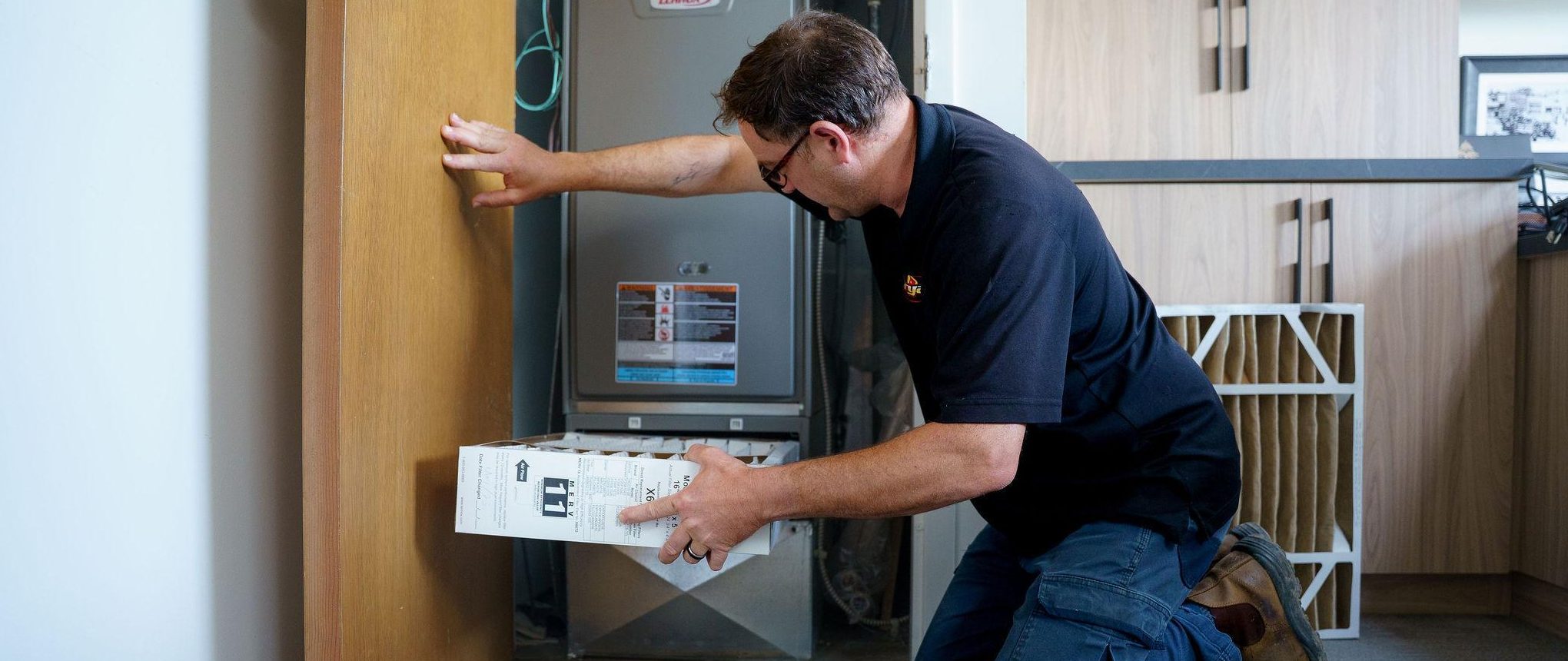
The furnace does more than heat your home. Every time it runs, it pulls air through your ductwork and pushes it back out into your rooms. That means the furnace filter sitting inside it is quietly cleaning the air your family breathes.
A 1-inch filter catches the big stuff. A larger one catches much more: fine dust, pollen, pet dander, and particles small enough to reach your lungs. This is where the MERV rating comes in. MERV stands for Minimum Efficiency Reporting Value, and a higher MERV rating on your furnace filter means the filter traps smaller particles.
Every furnace Bryan’s Fuel installs comes ready for cleaner air. Each one includes a dedicated filter cabinet and a MERV 11 furnace filter for enhanced filtration right from day one. That same cabinet is built to grow with your needs. Want to go further? Step up to a MERV 13 filter, or go all the way to a MERV 16 for the highest level of everyday filtration.
Wondering if you can upgrade to a higher-performance filter? Denser filters make your blower work harder, and not every system is built for that. Talk to one of our Home Comfort Advisors to find the right fit.
Let Your Existing HVAC System Do the Work
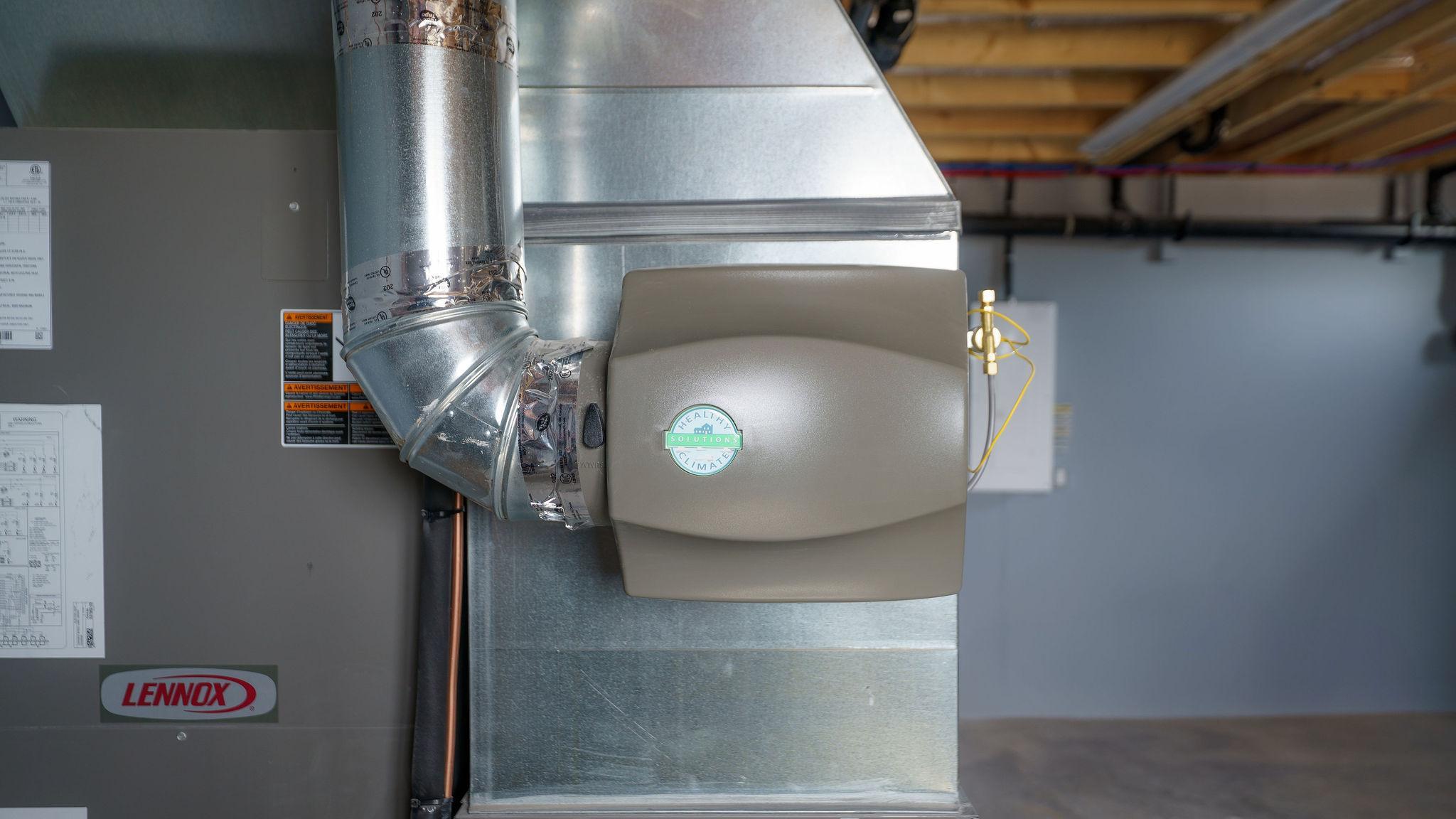
Here is something many homeowners miss: a filter only cleans air when air is actually moving through it.
Most thermostats run the blower fan only when the system is heating or cooling. The rest of the time, the air in your home sits still, and so does everything floating in it. Switch the fan to run continuously, or for longer intervals, and you keep pulling air through the filter around the clock.
Should you run your furnace fan continuously?
For air quality, it helps. More air passing through the filter means more particles pulled out of circulation. Running your furnace fan continuously in winter also helps even out the warm and cool spots between rooms.
What about the cost of running your furnace fan continuously?
It depends on the motor your system uses. Modern furnaces with an ECM, or variable-speed, motor use very little power on the low fan setting, so the cost impact is generally small. Older single-speed motors use more power, so it is worth weighing the trade-off. A technician can confirm which type of motor you have and recommend the best setting for your home. This works the same way with your air conditioner in the cooling season.
Make Sure Your Home Has Mechanical Ventilation
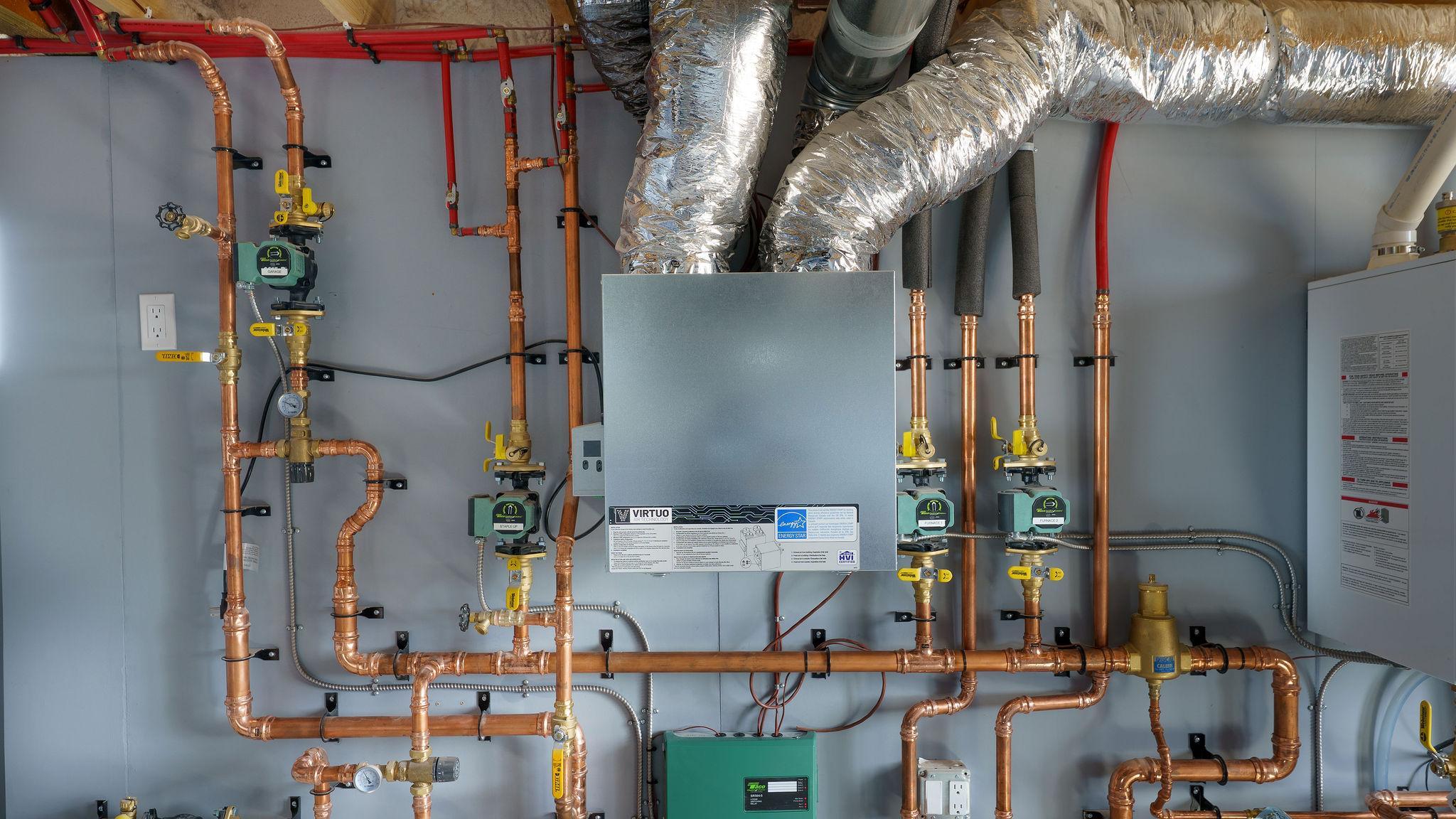
Newer homes’ HVAC systems are built to save energy. That is great for your heating bill, but it can trap stale air, moisture, and pollutants inside. This is where mechanical ventilation earns its keep.
Here is why it matters:
- Required in modern homes: today’s homes are more compact for energy efficiency, so mechanical ventilation is essential to bring in adequate fresh air.
- Improves indoor air quality: it continuously removes stale indoor air and replaces it with fresh outdoor air, reducing pollutants, odours, allergens, and excess moisture.
- Improves comfort: you get a steady supply of fresh, filtered air while your home holds a more consistent temperature.
What is the Difference Between an HRV and ERV?
Two systems handle the job, and both recover energy on the way, so you are not throwing comfort out the window:
- An HRV (Heat Recovery Ventilator) transfers heat between the outgoing and incoming air, which makes it a strong fit for cold Ontario winters.
- An ERV (Energy Recovery Ventilator) transfers both heat and moisture, which helps manage humidity in either direction.
The HRV vs ERV decision comes down to your home, your climate, and how your house holds moisture. Both improve air quality, so the ERV vs HRV choice is less about right or wrong and more about which better fits your space. A Bryan’s Fuel home comfort advisor can help you compare the two.
Remember one important tip. When outdoor air quality drops, during wildfire smoke, high pollen counts, or an official air quality alert, you may wish to temporarily switch your HRV or ERV off so you are not drawing harmful outside air into your home. Check the filters regularly, too, and rinse them when you notice dirt building up.
Upgrade to a Whole-Home Air Purifier
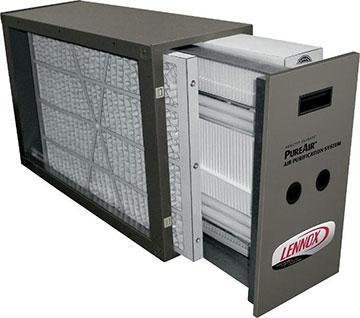
Filters and ventilation handle a lot. For families who want to go further, especially anyone living with allergies, asthma, or sensitivity to airborne particles, a whole-home air purifier is the next step.
Unlike a portable unit that cleans a single room, a whole-home air purifier system integrates directly into your existing HVAC equipment and ductwork. It treats the air everywhere the system reaches, working quietly in the background to reduce dust, allergens, and other airborne particles throughout the house.
Whole home air purifier systems come in a few forms, from UV light systems that target germs and mould to advanced filtration and catalyst-based technologies. Each option brings its own strengths, along with a few limitations based on your available space, your equipment configuration, and the ongoing replacement of parts such as UV lights, catalyst inserts, and filters.
That is a lot to weigh, which is why it helps to talk it through with someone who knows your equipment. A home comfort advisor from Bryan’s Fuel can review your indoor air quality options and point you toward the right fit, with no pressure and clear pricing.
Keep Up With Regular HVAC Maintenance
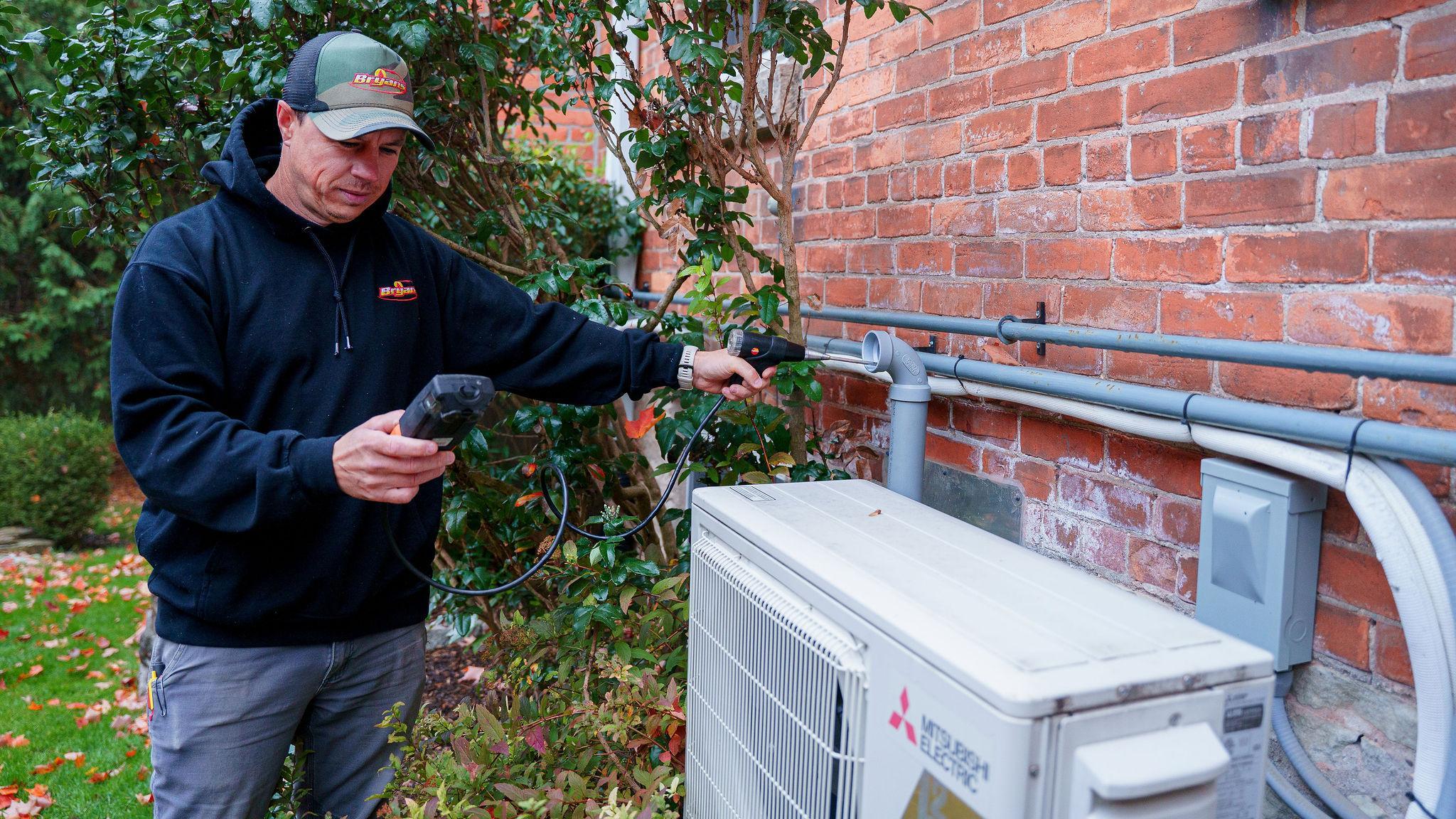
Even the best equipment only performs when it is cared for. A little routine attention keeps your air clean and your system running efficiently.
Two habits make the biggest difference.
Start with your filter. How often should you replace your furnace filter? Follow this simple rule of thumb:
- Replace a standard 1-inch filter monthly, or at least every one to three months.
- Replace a thicker 4- or 5-inch filter at the start of each heating and cooling season.
Wondering how to change a furnace filter?
It takes about two minutes. Slide the old one out, note the size printed on the frame, and slide the new one in with the airflow arrow pointing toward the furnace. Set a reminder so a furnace filter replacement never slips your mind.
Then book annual HVAC maintenance service. A yearly tune-up keeps your heating, cooling, and air-quality equipment working as they should. Keep this HVAC maintenance checklist handy:
- Replace or upgrade the furnace air filter.
- Inspect and clean HRV or ERV filters and cores.
- Check whole-home purifier components and replace UV lights or inserts as needed.
- Have a technician inspect the full system once a year.
Want to make it easy? A service plan keeps your annual maintenance on schedule, and our seasonal checklists give you a handy reference between visits. Stay on top of these, and you protect both your air and your investment.
Breathe Easier With Bryan’s Fuel
Learning how to improve indoor air quality does not have to be complicated. Start with a quality filter, put your existing system to work, ventilate wisely, and keep up with maintenance. Small steps add up to noticeably cleaner, healthier air for your whole family.
Ready to choose the right filter, ventilation, or whole-home purification for your home? Reach out to Bryan’s Fuel. For over 100 years, families across Orangeville and Dufferin County have trusted our team for honest advice, clear pricing, and service that shows up when promised.
Contact us today to talk with a home comfort advisor and take the first step toward fresher air.
Tags: