Home Cooling Options in Ontario: How to Choose the Right System for Your Home
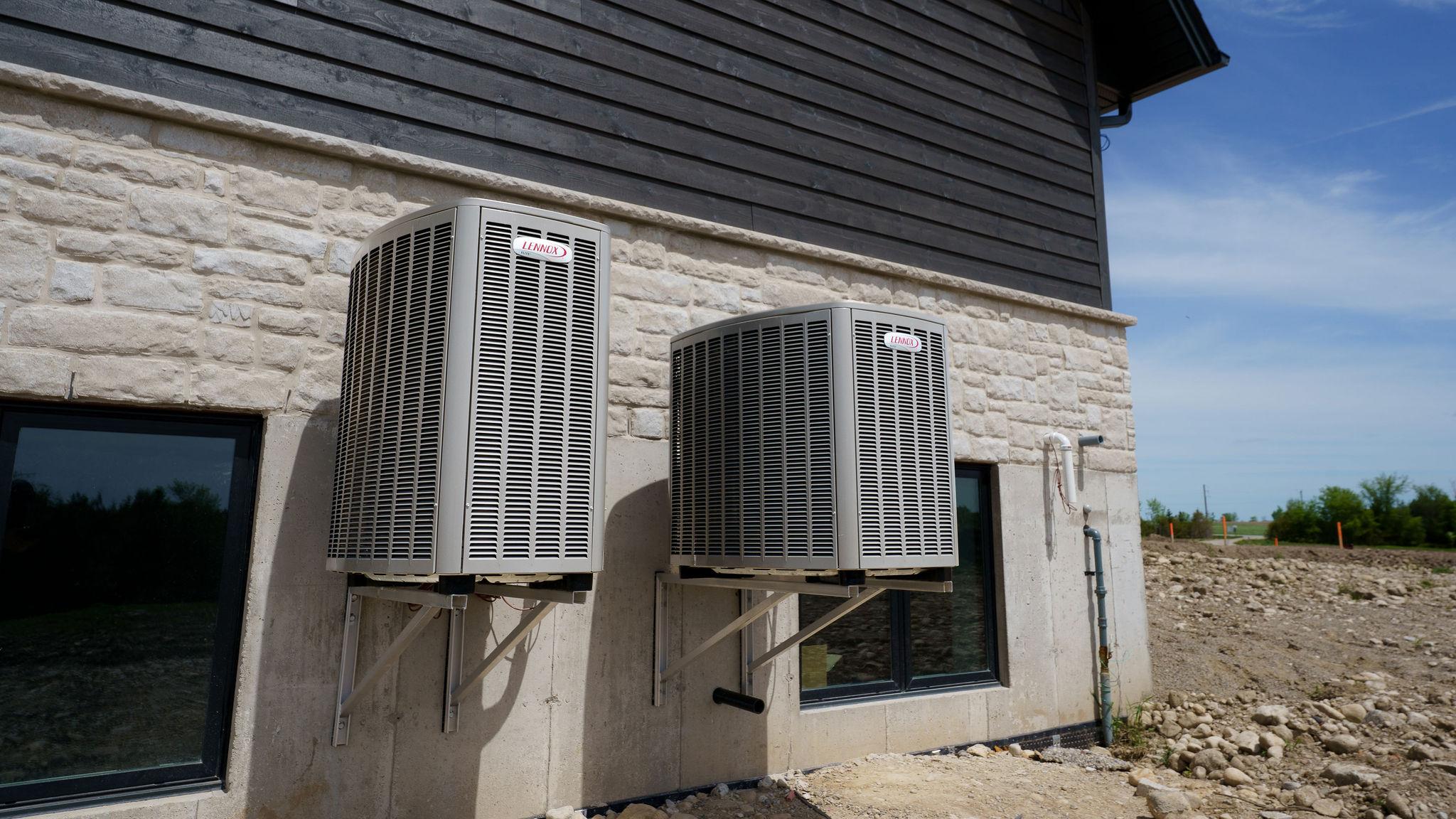
When summer arrives in Ontario, keeping your home cool and comfortable quickly becomes a priority. But with so many cooling systems available today, it can feel overwhelming to decide which makes the most sense for your home, lifestyle, and budget.
Should you install a heat pump? Replace your central air conditioner? Consider adding a ductless unit? What about energy efficiency, rebates, and long-term operating costs?
The reality is that there’s no universal answer. Every home is different, and the best cooling solution depends on your space, your existing equipment, your comfort goals, and how you use your home day to day.
At Bryan’s Fuel, helping homeowners make informed decisions is an important part of what we do. Whether you’re upgrading an aging system, improving efficiency, or exploring cooling options for the first time, understanding your choices is the first step.
Modern cooling systems offer more flexibility and efficiency than ever before. Here’s a closer look at the most common HVAC cooling options available for homeowners in Ontario.
Central Air Conditioning Systems
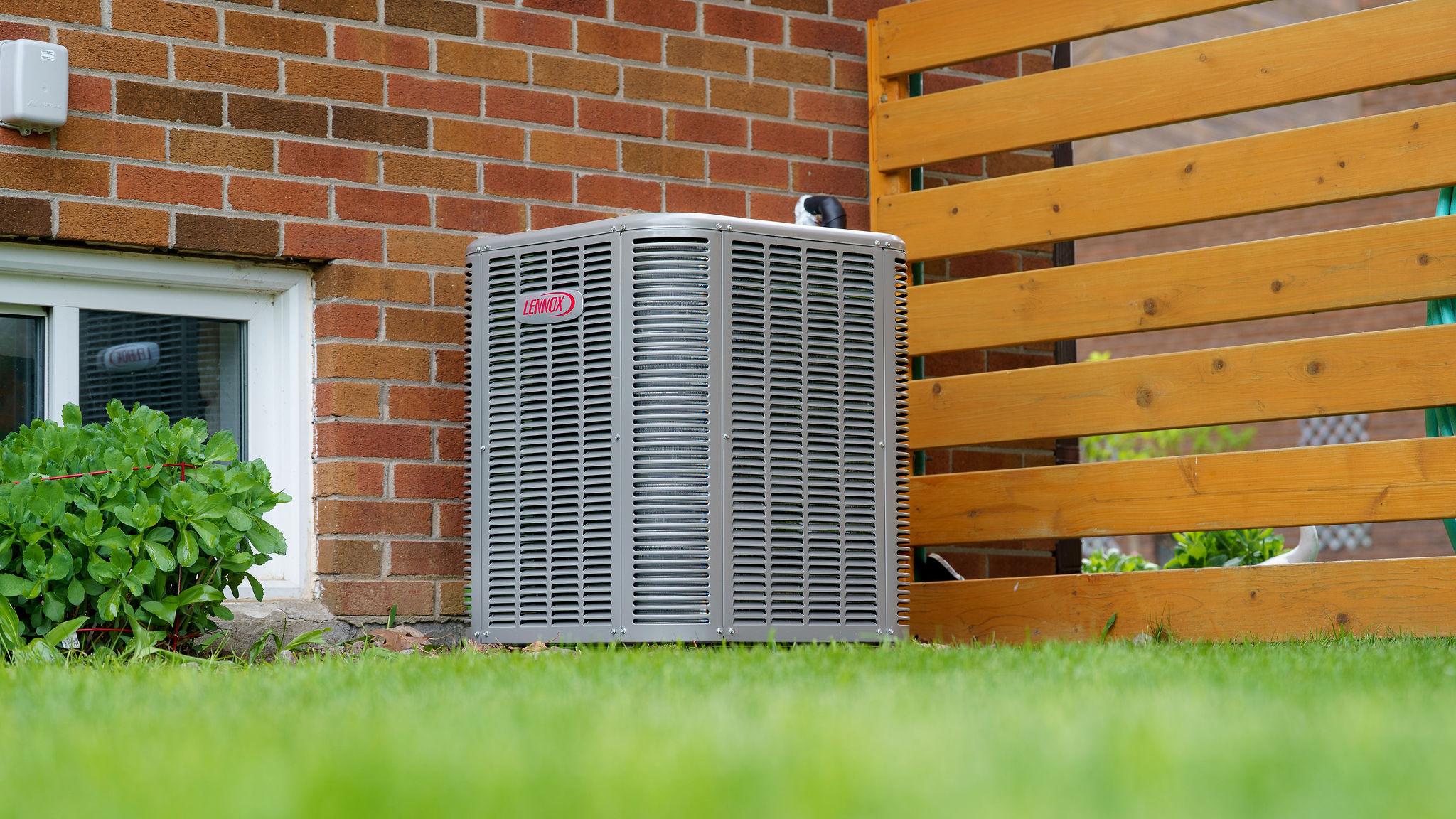
Central air conditioning remains one of the most popular cooling options for homes with existing ductwork.
These systems work by distributing cool air throughout the home using your duct and air distribution systems. When combined, a furnace with an air conditioner provides year-round climate control. A central air conditioner pairs with your furnace and uses an outdoor condenser unit alongside an indoor evaporator coil to cool your space.
Why homeowners choose central air conditioning:
- Consistent cooling throughout the home
- Quiet indoor operation
- Removal of indoor humidity
- Familiar and reliable technology
- Can integrate with existing forced-air heating systems
Central air systems are often a practical option for homes that already have existing ductwork in place. Regardless of the age of your furnace or duct system, an air conditioner can be installed to work with your existing setup. When that infrastructure is already there, the central air conditioner installation cost is often lower than starting from scratch.
However, system sizing matters. An oversized unit may cool too quickly without properly removing humidity, while an undersized system may struggle to keep up during peak summer temperatures.
That’s why professional sizing calculations are critical before installation. It’s also a factor that directly impacts your air conditioner installation cost in the long term, since improperly sized units often need to be replaced sooner.
Heat Pumps
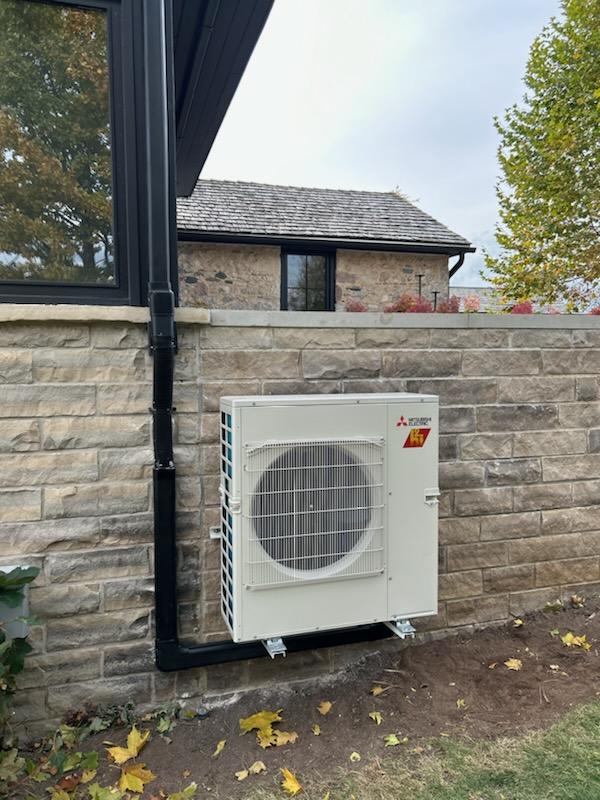
Heat pumps have become increasingly popular across Ontario, especially as homeowners look for more energy-efficient and environmentally conscious heating and cooling solutions. If you’ve been wondering, “What is a heat pump?” and why they’re becoming popular, you’re not alone.
Understanding the heat pump vs air conditioner debate is one of the most common questions homeowners ask, and for good reason, since a heat pump can both cool and heat your home. How does a heat pump work? The answer is surprisingly simple: it works by removing heat from inside your home and transferring it outdoors. In colder months, even when it’s far below freezing outside, the heat pump extracts heat from the air, bringing that warmth inside.
Benefits of heat pumps include:
- Heating and cooling in one system
- Lower energy consumption compared to some traditional systems
- Reduced greenhouse gas emissions
- Eligibility for many rebate programs
- Improved year-round comfort
Heat pumps are particularly attractive for homeowners looking to reduce their reliance on fossil fuels while improving overall efficiency. If you’re wondering whether heat pump installation is the right move, it’s worth evaluating your home’s insulation, heating costs, and long-term energy goals.
That said, not every home requires the same heat pump setup. When weighing a heat pump vs. a furnace, some systems work alongside a furnace in what’s called a hybrid heating system, while others may serve as the primary heating and cooling source.
The right solution depends on factors like your home’s insulation, energy goals, existing HVAC equipment, and budget.
Ductless Split Heat Pumps and Air Conditioners
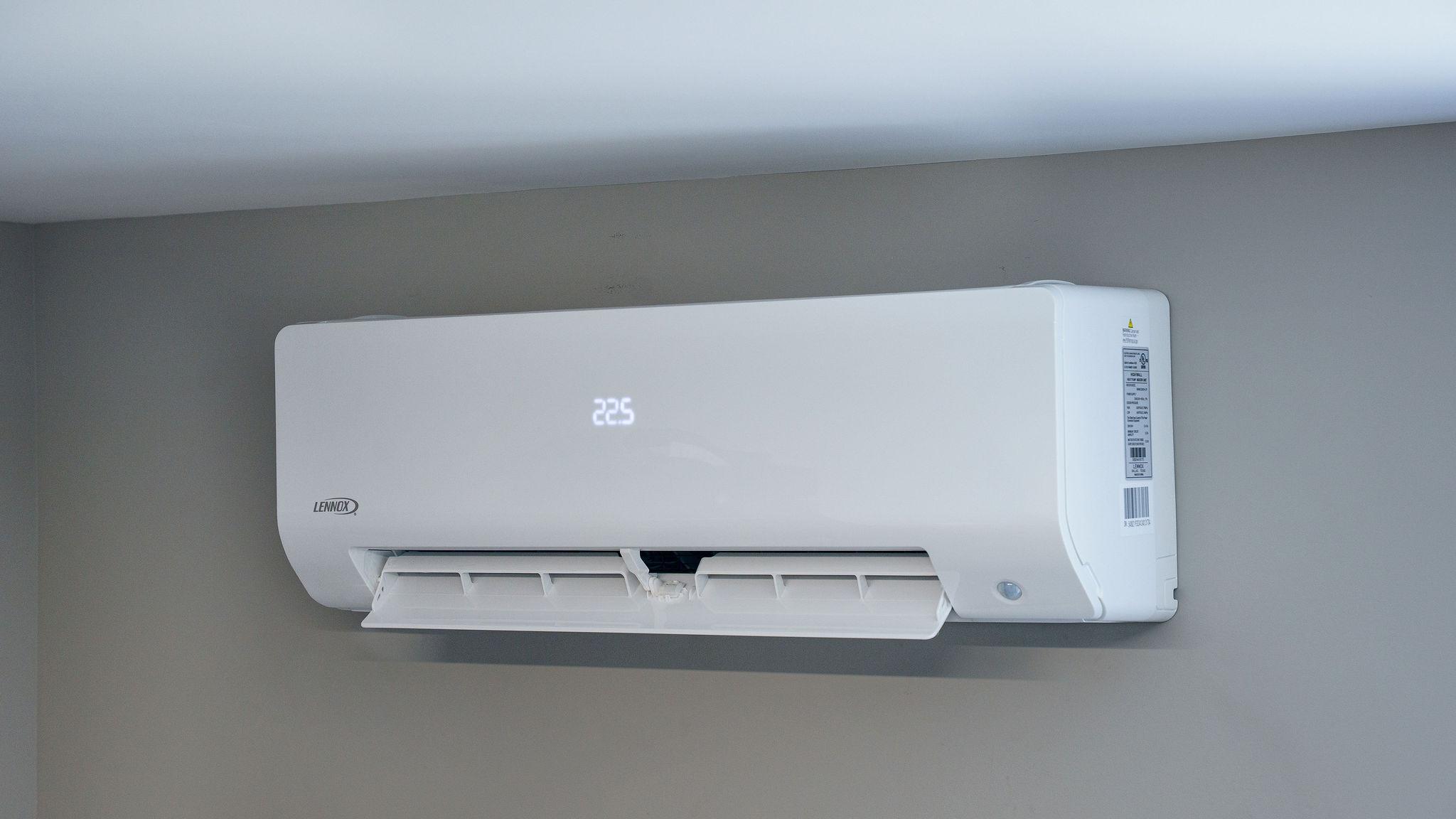
Not every home has ductwork. That’s where a ductless air conditioner or ductless heat pump can be an excellent solution.
A mini split heat pump or cooling-only ductless unit uses individual indoor units connected to an outdoor unit. These systems can provide cooling only or both heating and cooling, depending on the model.
These systems can be installed as a wall-mounted air conditioner, ceiling cassette, or floor unit, depending on the space. They’re commonly installed in:
- Older homes without ductwork
- Additions or renovations
- Finished basements
- Garages or workshops
- Rooms with inconsistent temperatures
Advantages of ductless systems:
- No ductwork required
- Energy-efficient operation
- Flexible installation options
- Quiet performance
- Improved comfort in problem areas
Many homeowners appreciate the ability to control temperatures independently in different rooms or areas of the home. For example, if one floor of your home always feels warmer during summer, a ductless system may help address that imbalance without requiring major renovations.
How to Choose the Right Cooling System
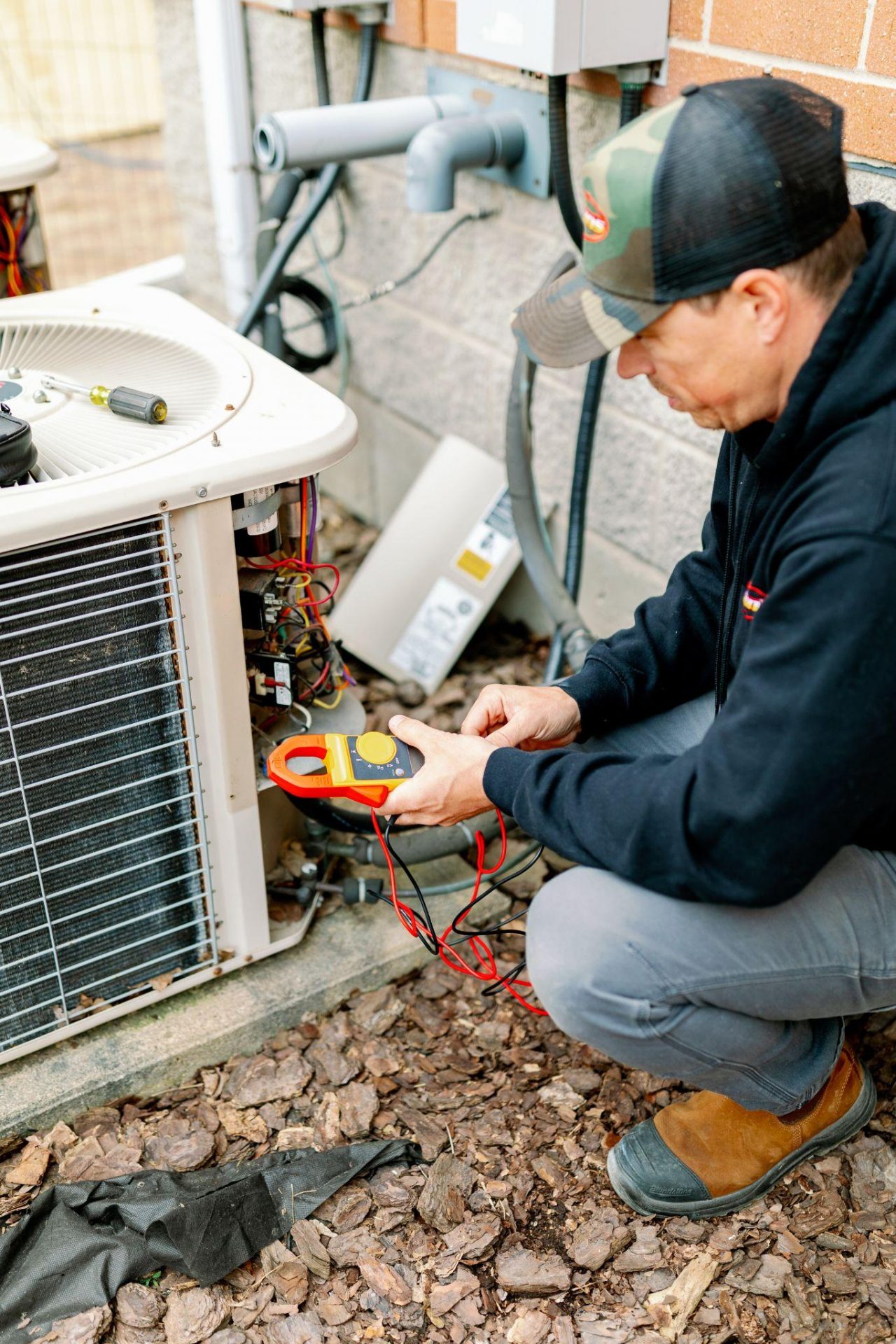
Choosing an HVAC cooling system isn’t just about picking the newest equipment. The right system needs to be properly matched to your home.
A professional evaluation can help determine which option makes the most sense for your situation. At Bryan’s Fuel, our team will assess the following factors:
Home Size
Proper HVAC sizing is essential because it directly impacts comfort, efficiency, and system performance in your home. When a system is correctly sized using proper heat loss and heat gain calculations, it runs efficiently, maintains consistent temperatures, and avoids the problems caused by oversizing or undersizing.
Existing Equipment and Infrastructure
Your home’s existing setup, including whether or not you have ductwork, current equipment, and overall layout, plays a major role in choosing the right cooling system. The best option depends on your home, comfort needs, and long-term goals, not a one-size-fits-all approach.
Energy Efficiency and Environmental Impact
During a professional HVAC inspection, factors like system efficiency, SEER2 ratings, installation quality, insulation, and proper sizing are reviewed to help determine the best cooling solution for your home. Modern high-efficiency systems can help reduce cooling costs, improve comfort, and lower environmental impact when properly matched to your space.
Investing in the right cooling system isn’t just about fixing this summer’s problems. It’s a long-term investment that saves you costly repairs down the line, and could even help improve the value of your home.
Cooling Rebates Available to Homeowners

One of the advantages of upgrading your cooling system today is the availability of rebates that may help offset installation costs, depending on the equipment selected. Contact one of our home comfort experts to learn what rebate options are currently available. These programs can change regularly and often depend on:
- Equipment efficiency ratings
- Type of system installed
- Whether multiple upgrades are completed together
- Program availability at the time of installation
Heat pumps are frequently included in rebate programs because of their energy efficiency benefits. Manufacturer rebates may also become available during spring and summer promotional periods. Because rebate programs can be complex and frequently updated, working with a knowledgeable HVAC contractor can help ensure you understand what incentives may apply to your project.
The Importance of Regular Cooling System Maintenance
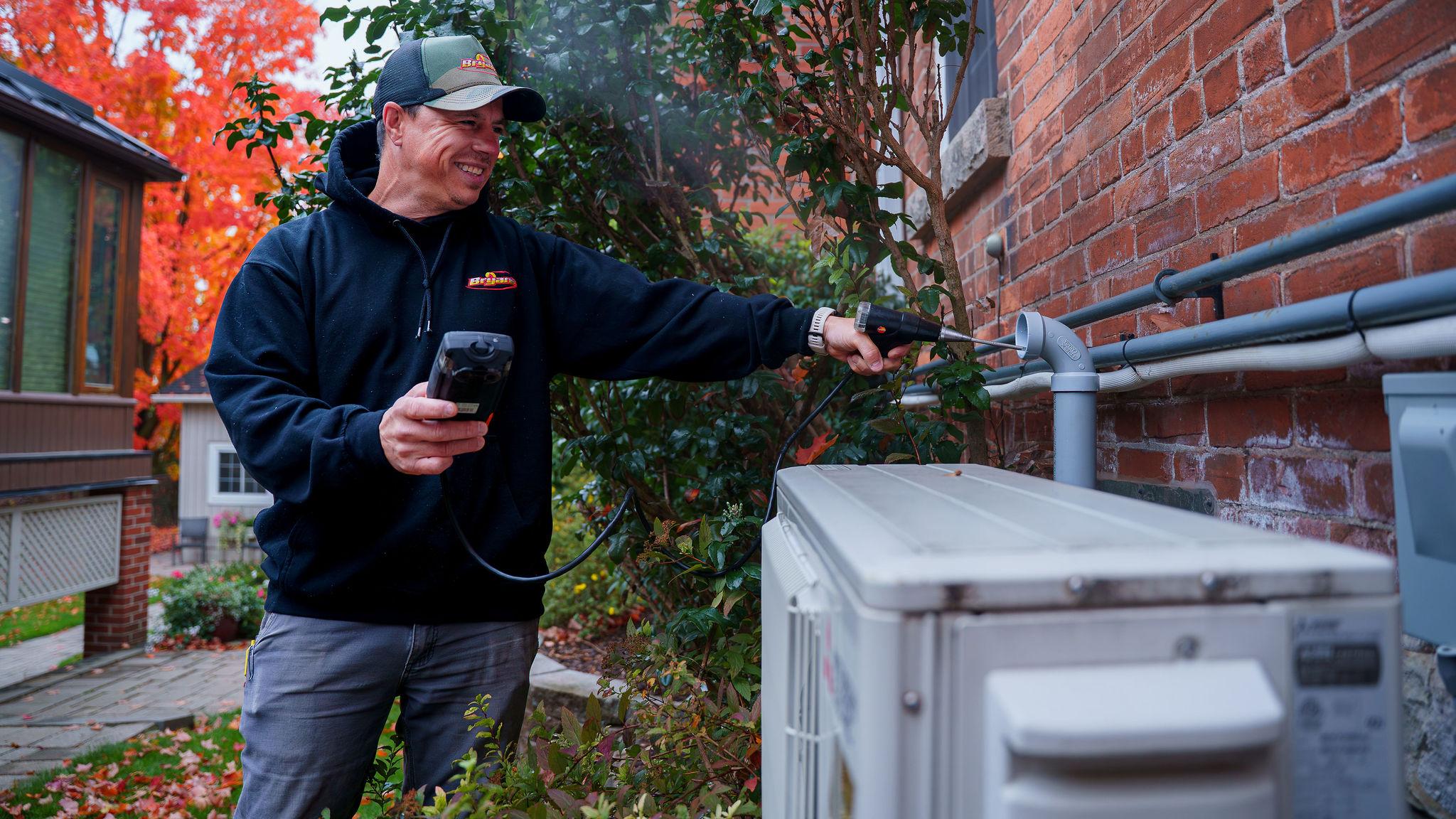
Even the best HVAC system needs regular maintenance to operate properly. Routine maintenance helps improve system efficiency, extend equipment lifespan, maintain indoor comfort, improve airflow and air quality, and reduce the risk of breakdowns during summer heat waves. Routine maintenance will also protect your home comfort systems’ manufacturer’s warranty. Ignoring maintenance can lead to higher operating costs, unnecessary wear, and preventable repairs over time.
To help homeowners stay ahead of issues, Bryan’s Fuel offers professional air conditioner and heat pump maintenance plans designed to keep systems running efficiently year-round. Regular inspections and preventative maintenance can help catch small problems early, improve reliability, and give homeowners peace of mind knowing their cooling system is ready when they need it most.
Simple Maintenance Tasks Homeowners Can Handle
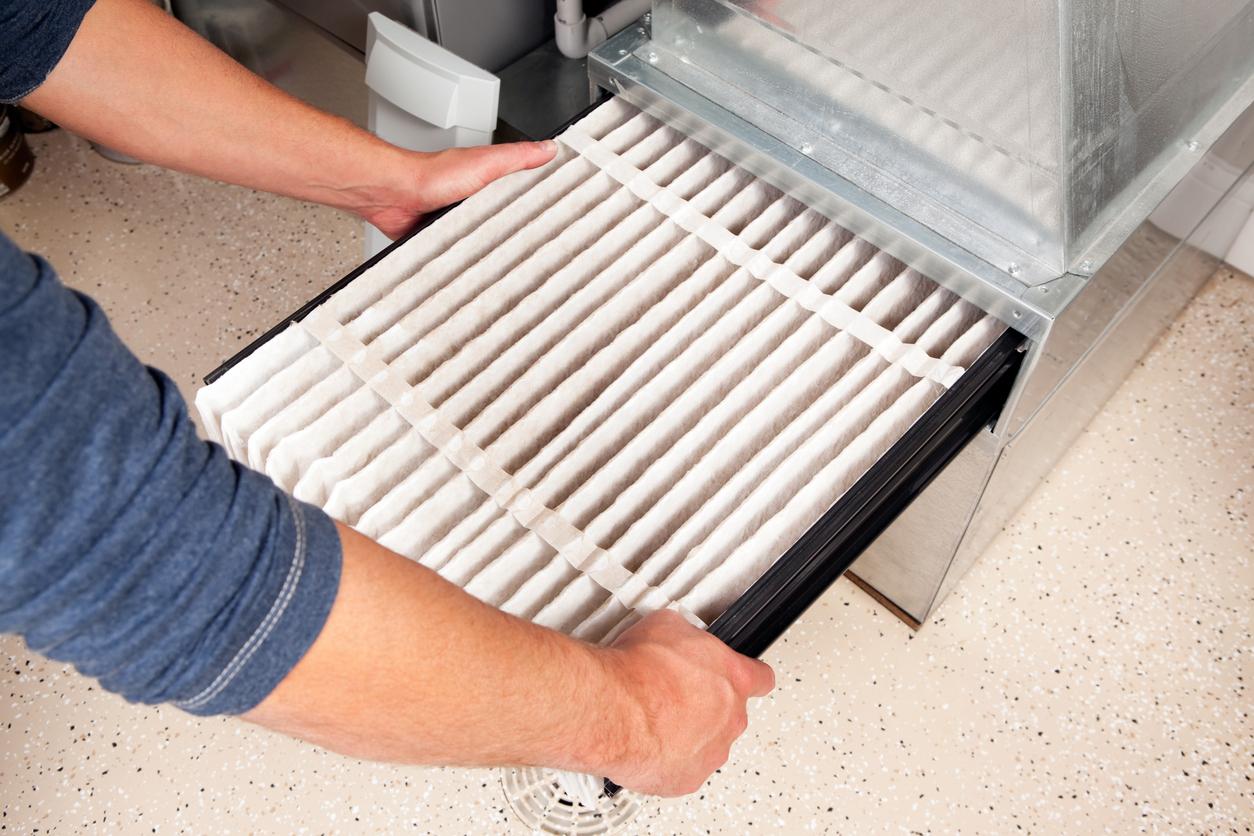
Proper air conditioner maintenance extends your system’s life and keeps it running at peak efficiency. There are several important maintenance steps homeowners can do themselves between professional service appointments.
Change Your Air Filter Regularly
Dirty filters restrict airflow, forcing your system to work harder. We recommend changing filters at the beginning of each heating and cooling season.
Keep Outdoor Units Clear
Leaves, dirt, grass clippings, and debris around outdoor equipment can reduce airflow and efficiency. Keeping the area around the condenser clear helps your system operate properly.
Watch for Warning Signs
If you notice weak airflow, strange noises, uneven temperatures, rising energy bills, excess humidity, or frequent cycling, it may be time to schedule service before the issue worsens.
Knowing When It May Be Time for an Upgrade
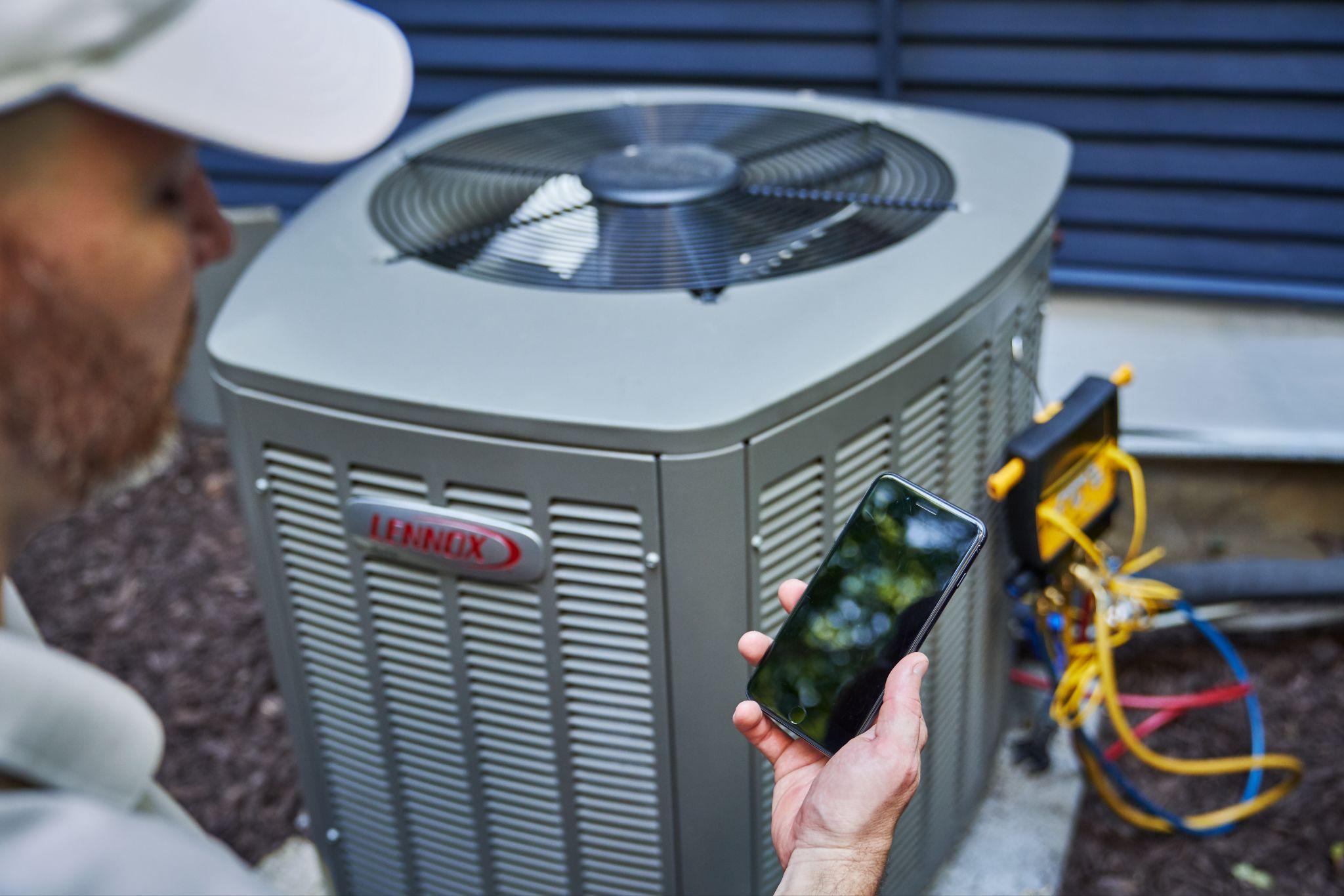
Sometimes repairs make sense. Other times, replacing your cooling system may be the better long-term investment.
Signs your system may need replacement include:
- Frequent repairs
- Rising energy costs
- Inconsistent cooling
- Excess humidity indoors
- Equipment older than 15 years
- Difficulty finding replacement parts
- Poor overall efficiency
At the same time, not every issue automatically means replacement is necessary. At Bryan’s Fuel, we will walk you through all your options.
There’s No One-Size-Fits-All Cooling Solution
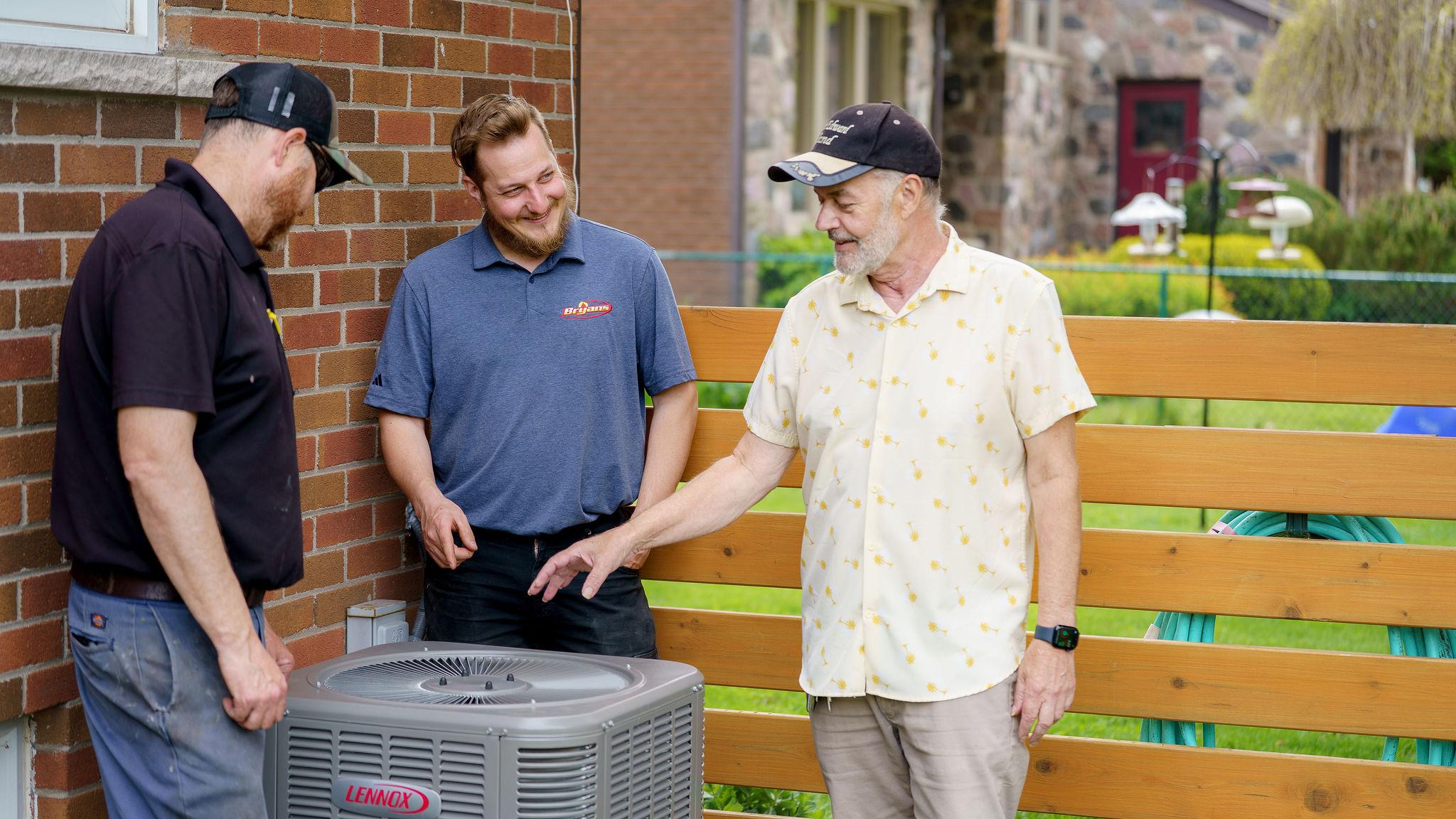
Every homeowner’s priorities are different. Some want maximum efficiency. Others prioritize lower upfront costs. While others simply want reliable cooling throughout the house. The best HVAC solution is the one that fits your home, your comfort goals, and your budget.
At Bryan’s Fuel, helping homeowners understand their options is part of delivering honest, reliable home comfort solutions. Whether you’re considering central air conditioning, a heat pump, or a ductless system, the goal is always to help you make an informed decision that works for your home now and into the future.
If you’re exploring cooling upgrades, booking a professional assessment can help you better understand your options, available rebates, and what system may be the best fit for your space.
Tags: