Winter in Ontario doesn’t ease in gradually. It arrives all at once. One week the furnace is barely idling; the next, it’s running around the clock, exposing any weakness in your system.
Staying warm and safe through the cold months takes more than a working furnace. It requires clean filters, serviced equipment, functioning safety alarms, clear exhaust vents, a winterized air conditioner, a reliable backup generator, and enough fuel to last through February.
So when’s the right time to handle all of it? Fall, well before the first cold snap hits.
Here are eight essential steps to get your home winter-ready, and why each one matters when the temperature plummets.
1. Change the Furnace Filter
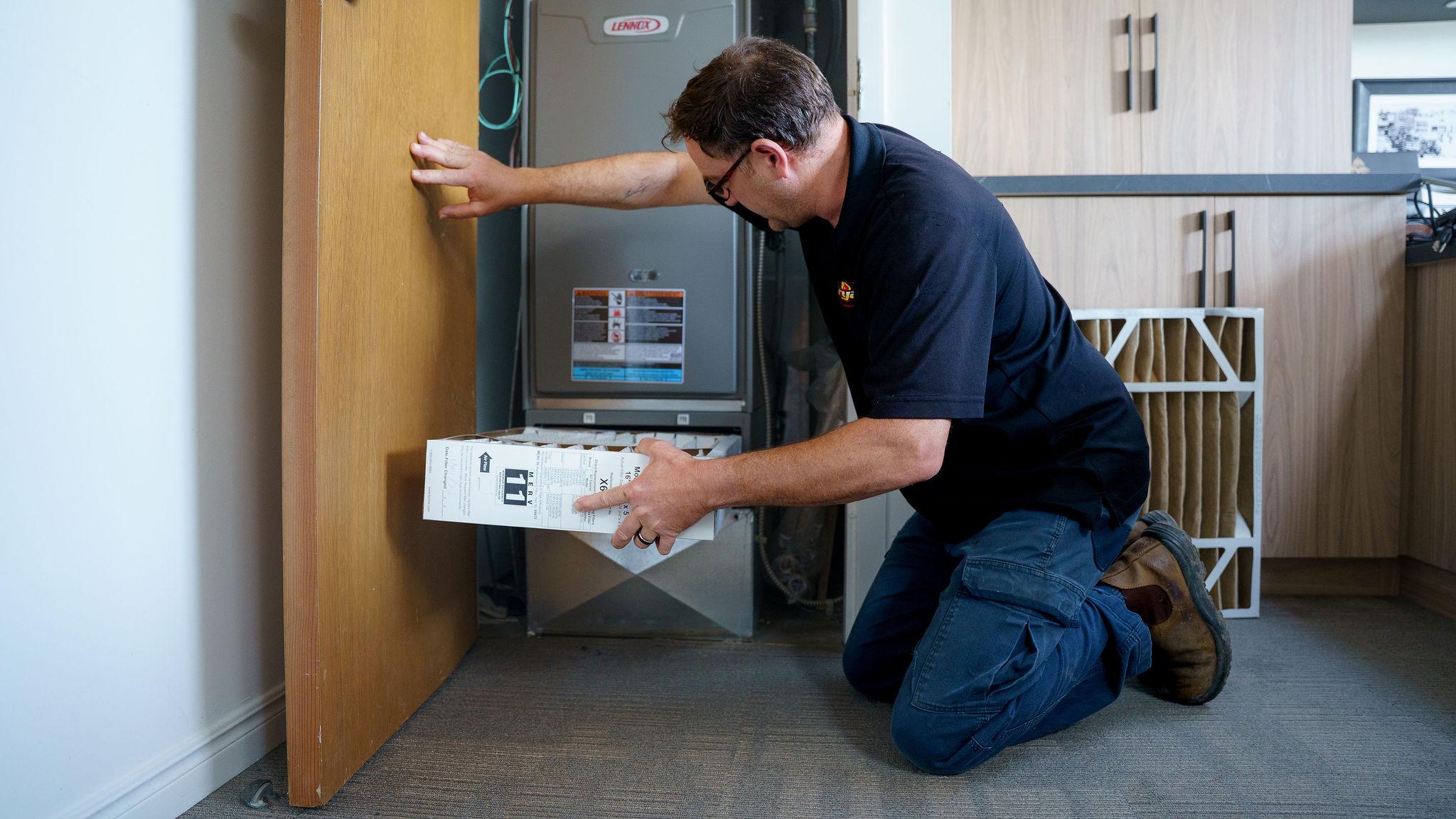
Changing the filter is the simplest task on this list, and the one homeowners most often overlook.
Replace your filter when the furnace kicks on for the season, then swap it again in the spring when you switch to cooling. A clogged filter restricts airflow, forcing your blower to work harder, driving up energy costs, and circulating dust back into your living space. If you have pets, allergies, or recent renovations, check it monthly instead of waiting for the seasonal change.
Not sure which filter your system needs, or whether an upgrade is worth it? Explore ourindoor air quality solutions to find the right option for your home.
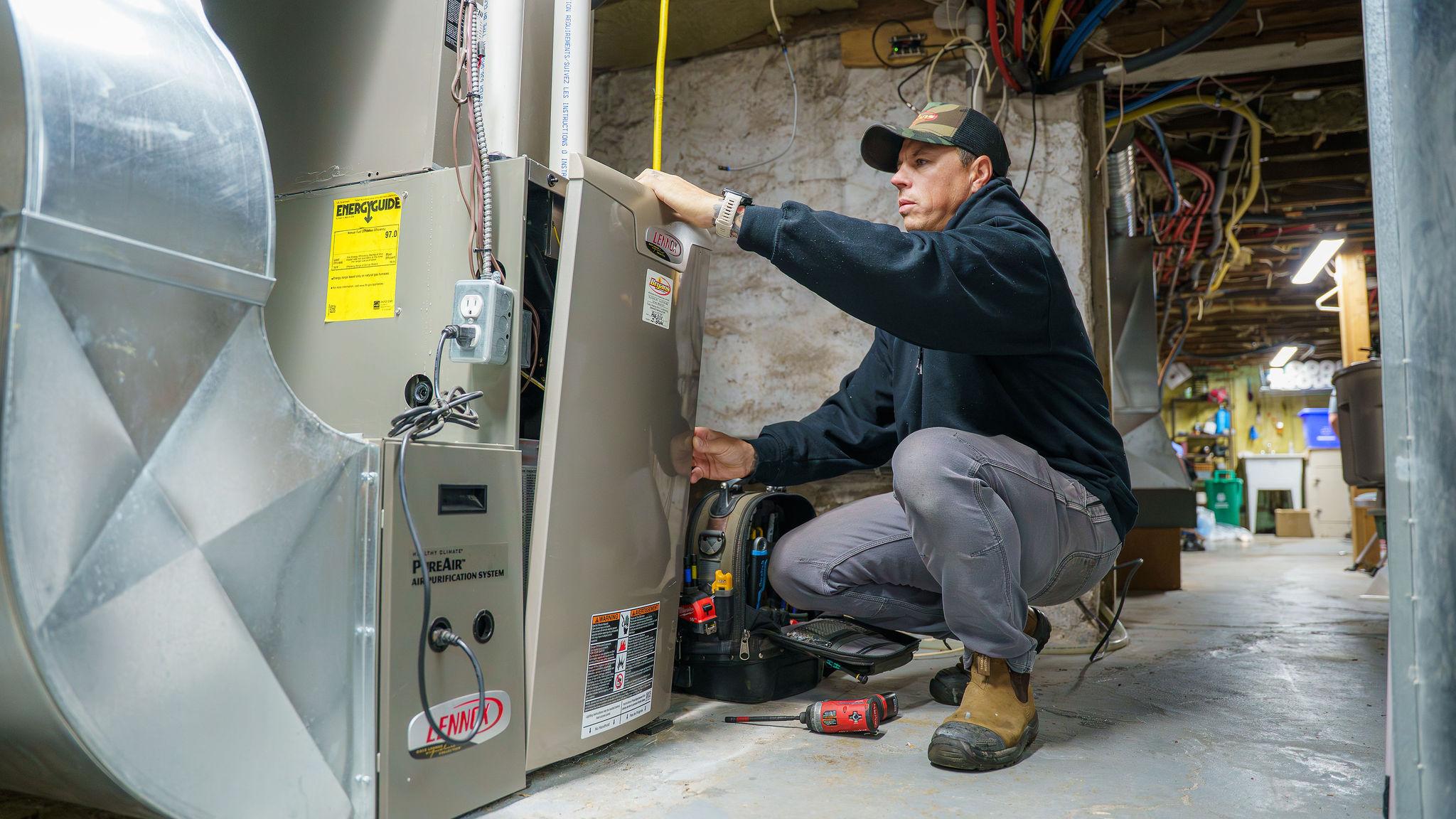
2. Book Annual Maintenance for Your Furnace
During a service visit, a technician inspects and tests the components most likely to fail, cleans out accumulated debris from the past year, verifies safety controls, and flags worn parts before they fail.
The benefits of furnace maintenance add up season after season:
Fewer breakdowns: Catches minor issues before they turn into costly mid-winter repairs.
Extended equipment life: Keeps your system running reliably for years longer.
Protected warranty: Meets the strict annual service requirements most manufacturers enforce.
Skipping maintenance carries a hidden cost. Efficiency quietly slips, component wear speeds up, and a future warranty claim can easily be denied without proof of annual service.
Turn the heat on for a test run on a mild day, well before the first real cold snap. Let it cycle for fifteen or twenty minutes and pay attention. Most furnace issues offer clear warning signs before turning into full-blown breakdowns. During your early-season test run, keep an eye, and ear, out for these red flags:
Short cycling: The furnace turns on and off constantly without reaching your target temperature. This usually points to restricted airflow, a dirty flame sensor, or a malfunctioning thermostat.
No heat or weak heat: The blower circulates air, but it never warms up, or the burners fail to ignite entirely.
Unusual noises: Grinding indicates worn motor bearings, loud banging suggests delayed ignition, and high-pitched squealing often signals a failing blower belt.
Uneven temperatures: Some rooms stay freezing while others overheat, tracing back to ductwork issues, airflow imbalances, or a weak blower.
Spiking energy bills: A sudden jump in heating costs means your system is struggling and running inefficiently.
Catching these warning signs on a mild October afternoon requires a simple scheduled tune-up. Discovering them in January means anemergency call. Book your annual maintenance today to avoid the emergency.
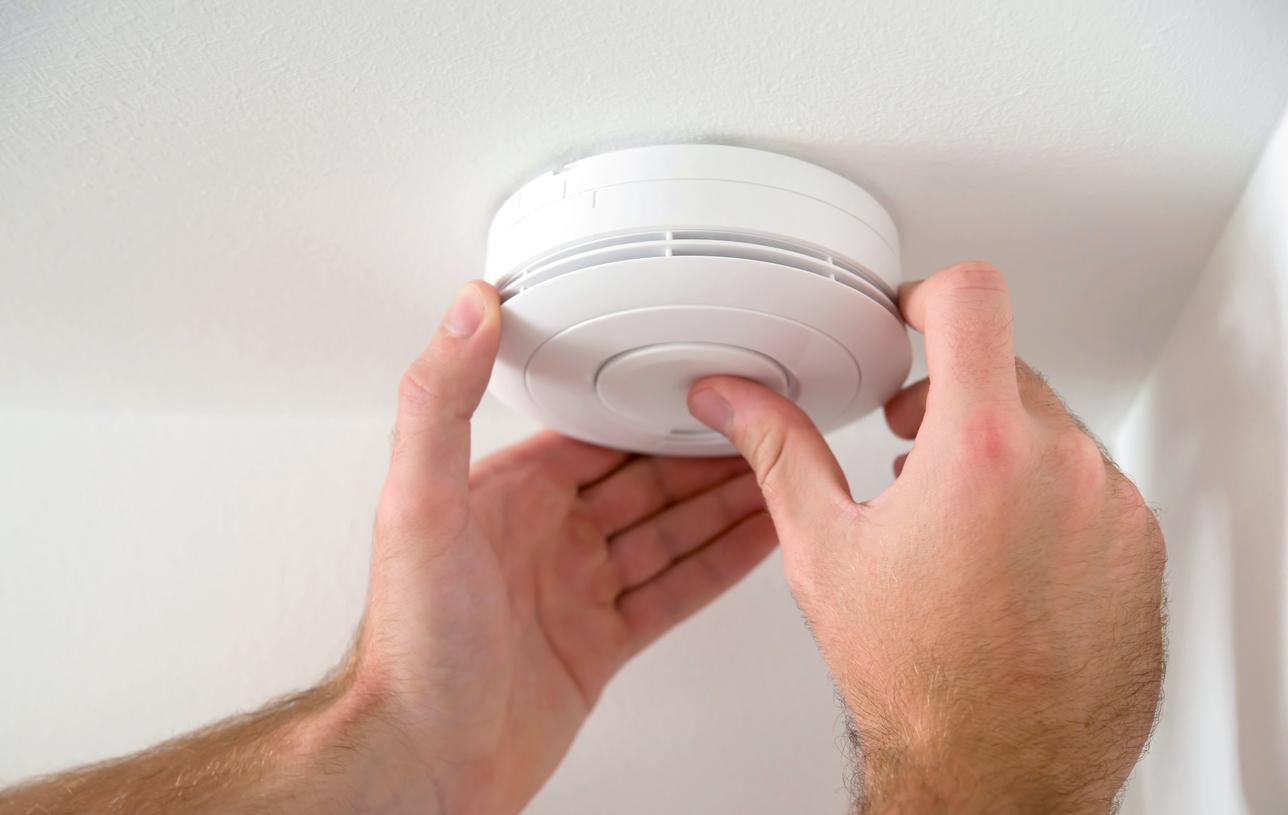
4. Test Smoke and Carbon Monoxide Alarms
Test every alarm in your home by pressing the test button, and replace the batteries annually at the same time.
Keep in mind that Ontario law enforces strict alarm requirements:
Smoke Alarms: Mandatory on every storey and outside all sleeping areas.
Carbon Monoxide Alarms: Mandatory outside all sleeping areas in homes with fuel-burning appliances or an attached garage, and, as of January 2026, required on every level of the home.
Don’t forget to check the expiration date stamped on the back of each unit: smoke alarms must be replaced every 10 years, and CO alarms every 5 to 10 years depending on the manufacturer.
5. Locate and Clear Your Exhaust Vents
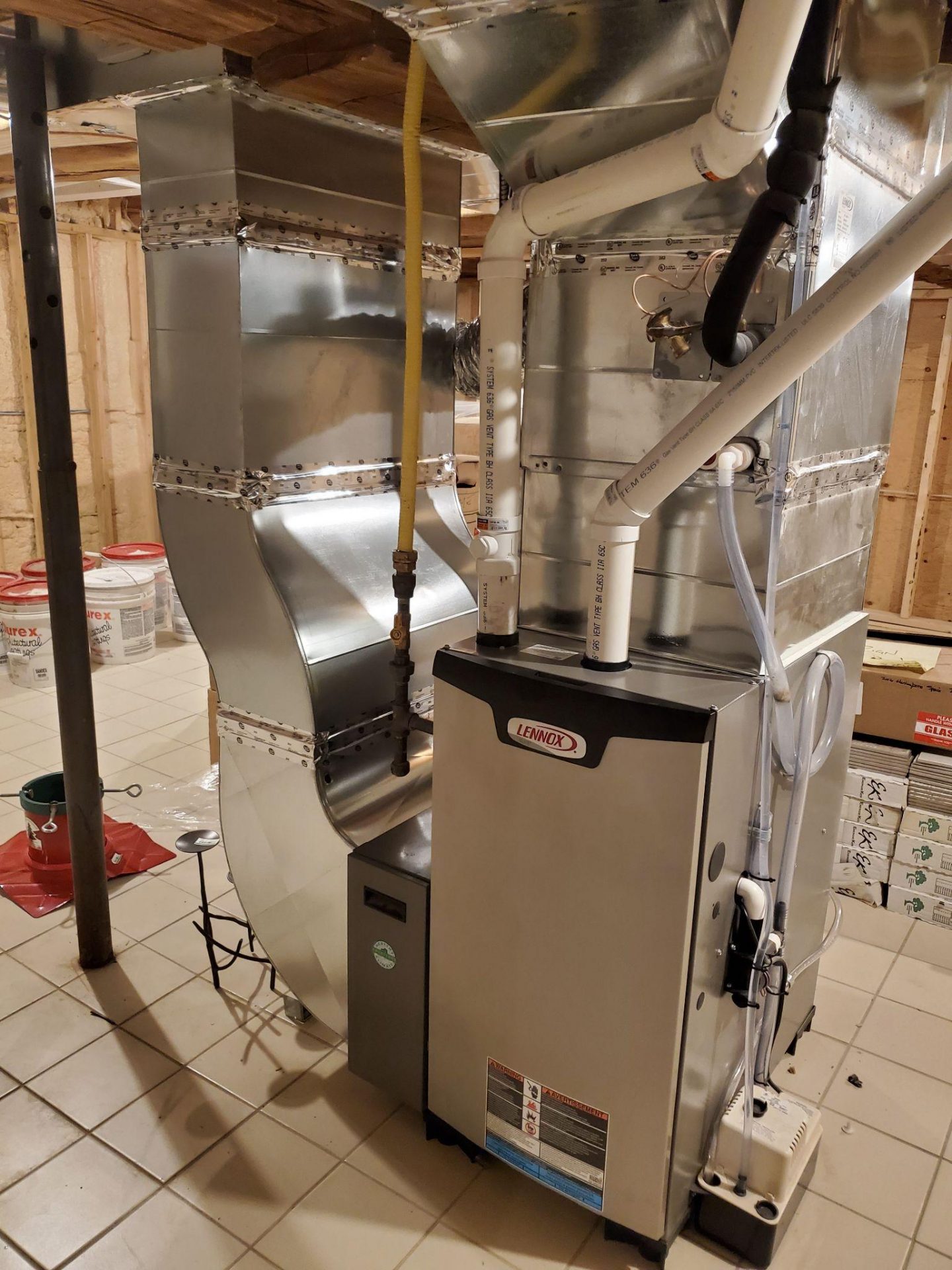
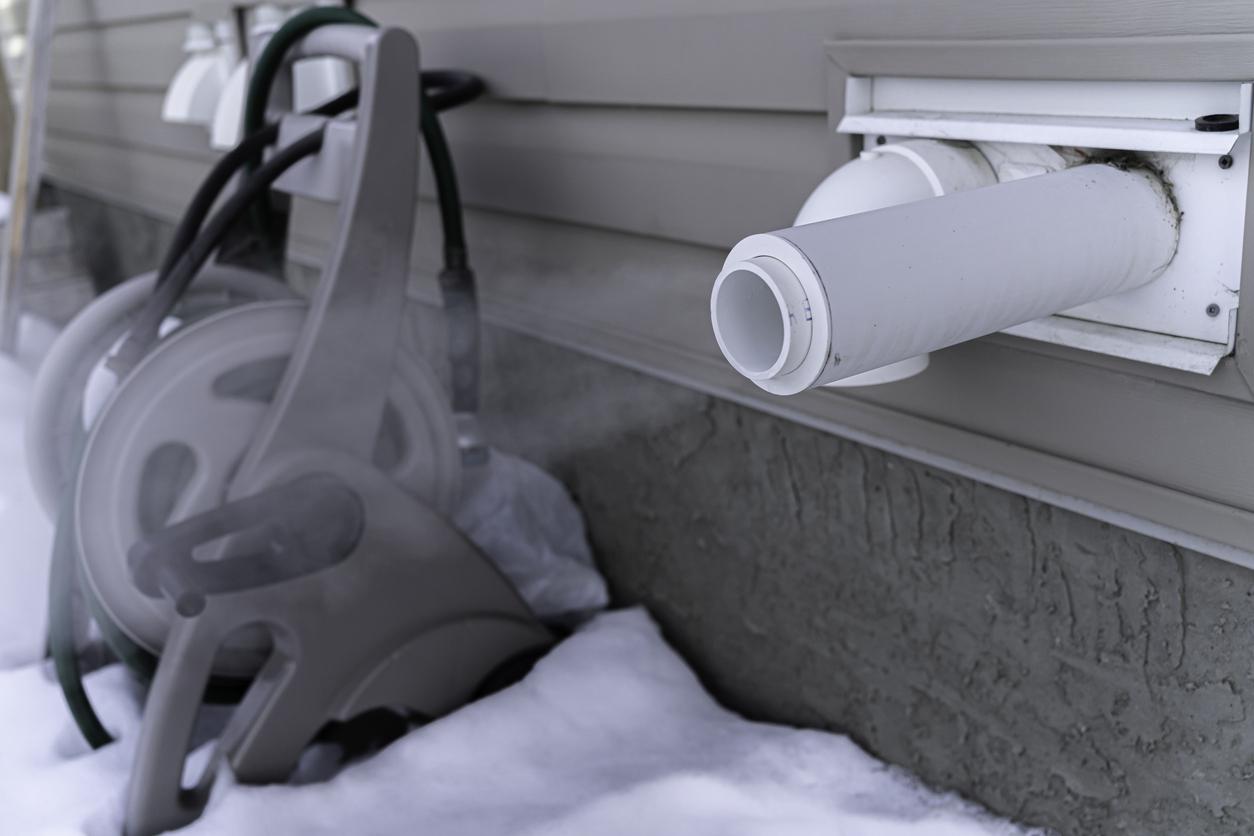
Every high-efficiency furnace, boiler, and tankless water heater vents through an exterior side-wall pipe, and those pipes must remain completely clear.
Walk around your home before the snow falls to locate each vent. Clear away leaves, bird nests, and overgrown shrubs. Pay special attention to where each vent sits relative to the driveway and roofline; once snow starts drifting or sliding off the roof, a blocked vent can shut down your heating system, or worse, force dangerous exhaust gases back into your home.
Taking a minute to map out these vent locations while the ground is bare makes quick checks after heavy snowfalls effortless.
6. Cover the Air Conditioner
Winterizing your air conditioner takes more care than simply putting a tarp over it.
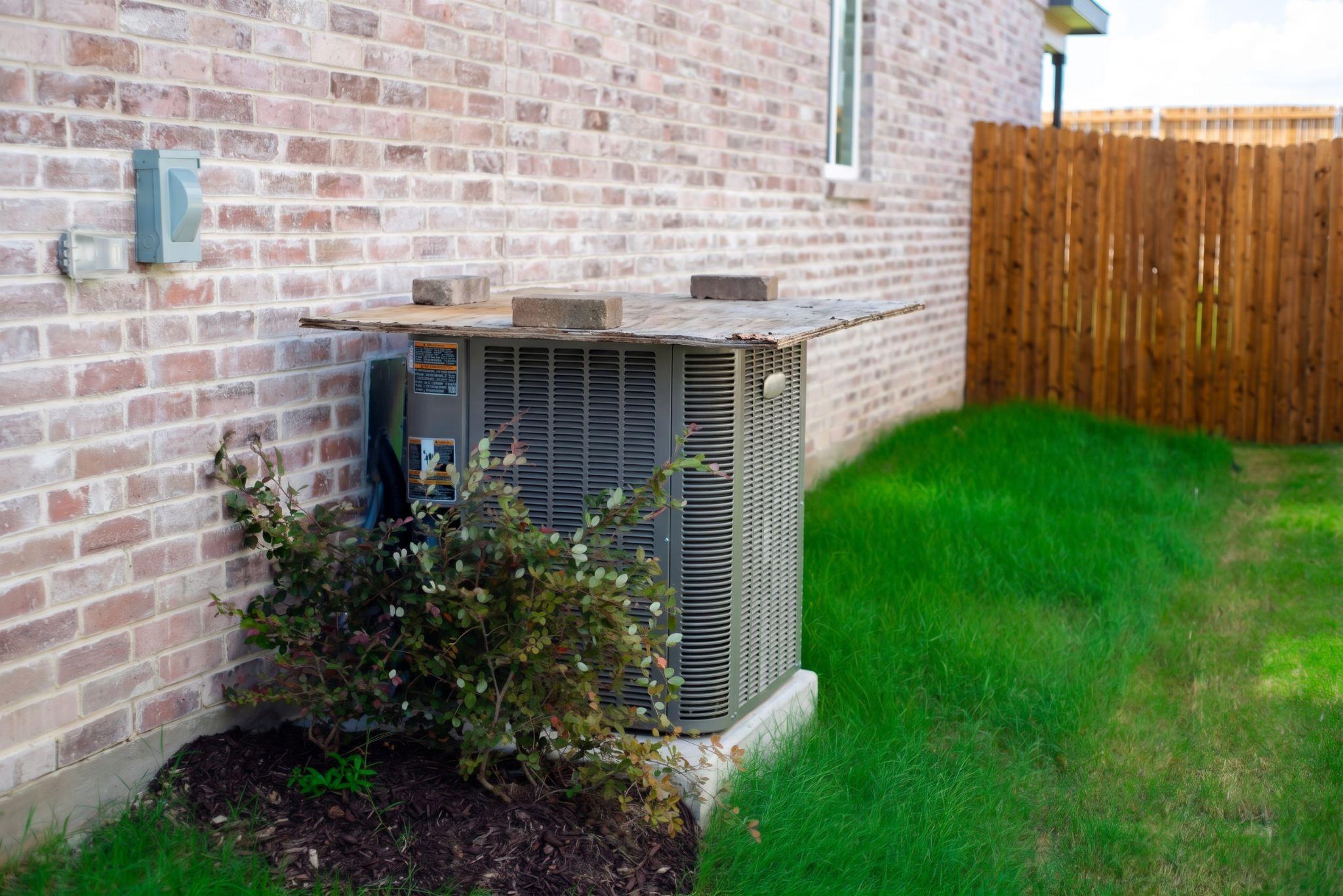
While a full wraparound cover seems protective, it actually traps moisture and creates a cozy, sheltered nest for mice and other pests. The chewed wiring and internal damage they cause usually go unnoticed until the first scorching day in June.
Instead, place a sturdy board or piece of plywood across the top of the unit, weighted down securely with a brick or stone. This protects the fan and coils from falling ice and debris while keeping the sides open to allow air to circulate and discouraging pests from moving in.
7. Check or Install a Home Generator
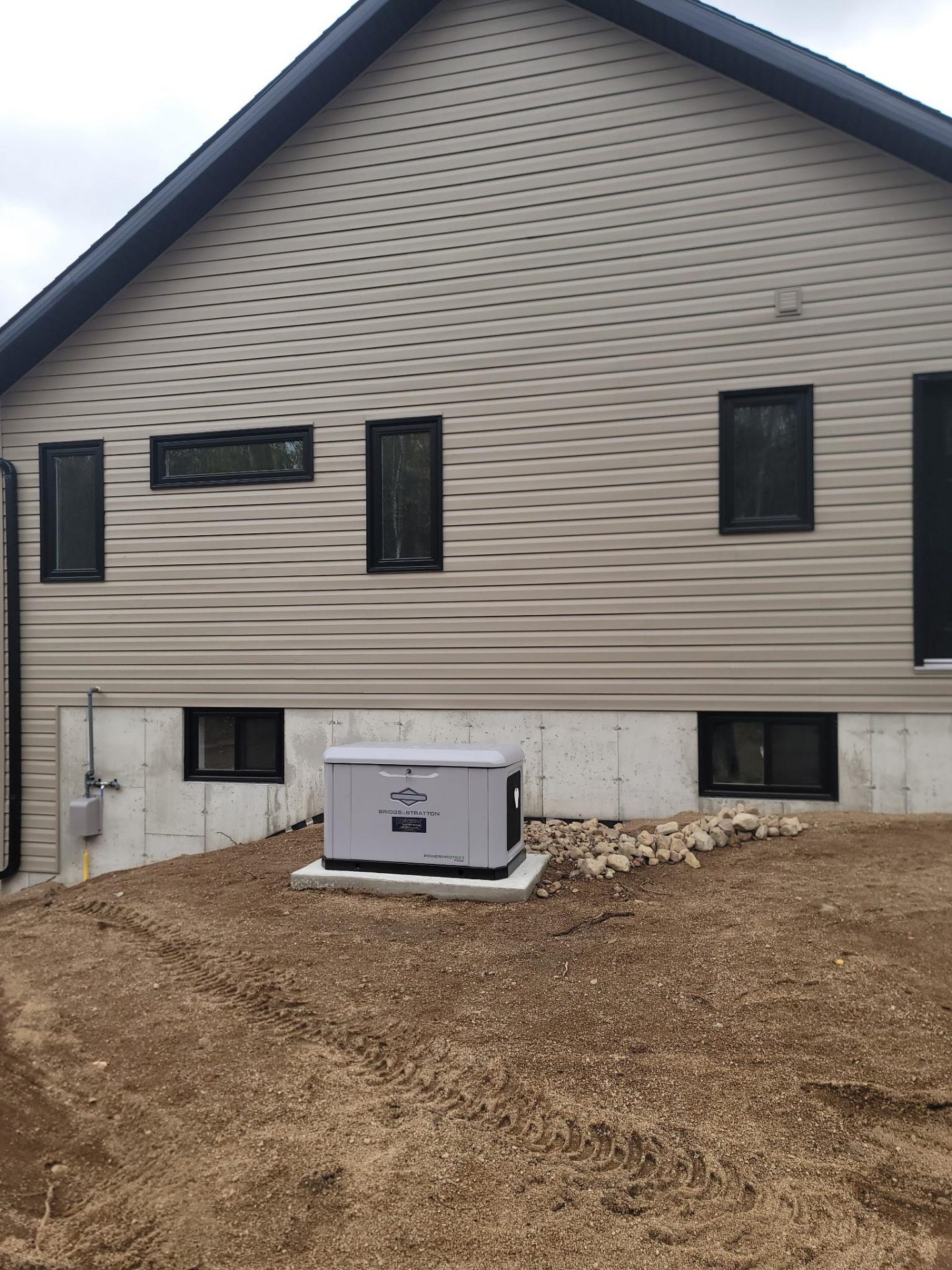
Winter storms in Ontario routinely knock out power lines, and an extended blackout in January quickly becomes a crisis when your furnace, sump pump, and refrigerator shut off simultaneously.
If you already own a standby generator, schedule a tune-up before winter hits. A unit that has sat idle all summer cannot be relied on when an emergency strikes.
If you don’t have one yet, fall is the ideal time to explore your options. Check out our Whole-Home Generator Guide to learn about sizing, power priorities, installation, and compare available models.
8. Confirm Fuel Delivery and Pricing
This final step protects your household budget rather than the equipment itself.
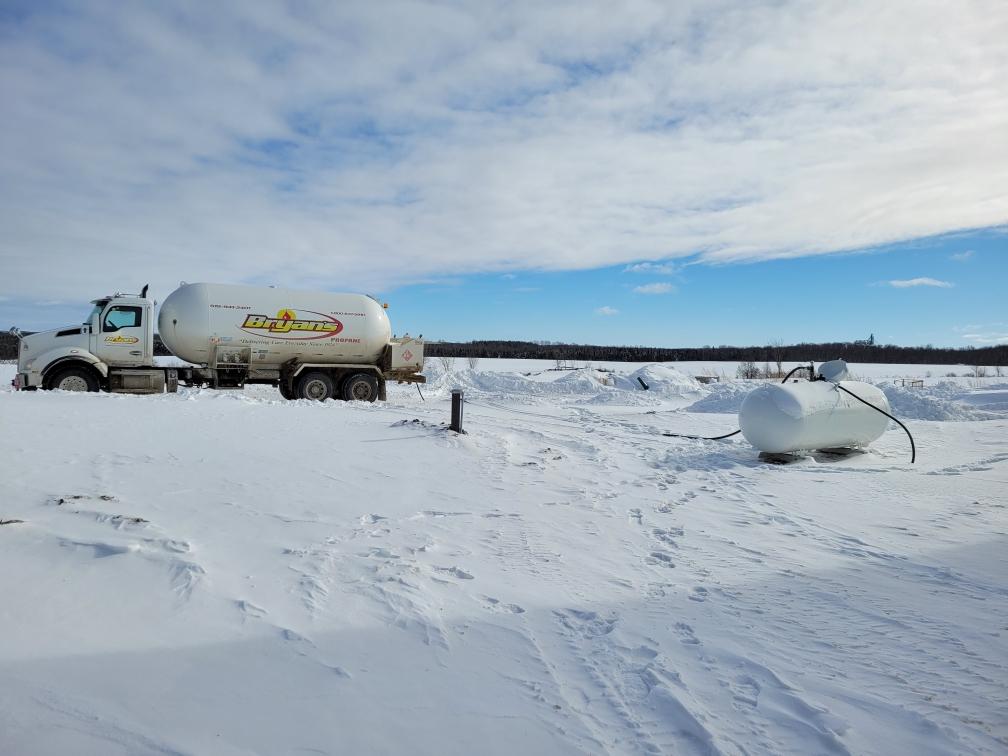
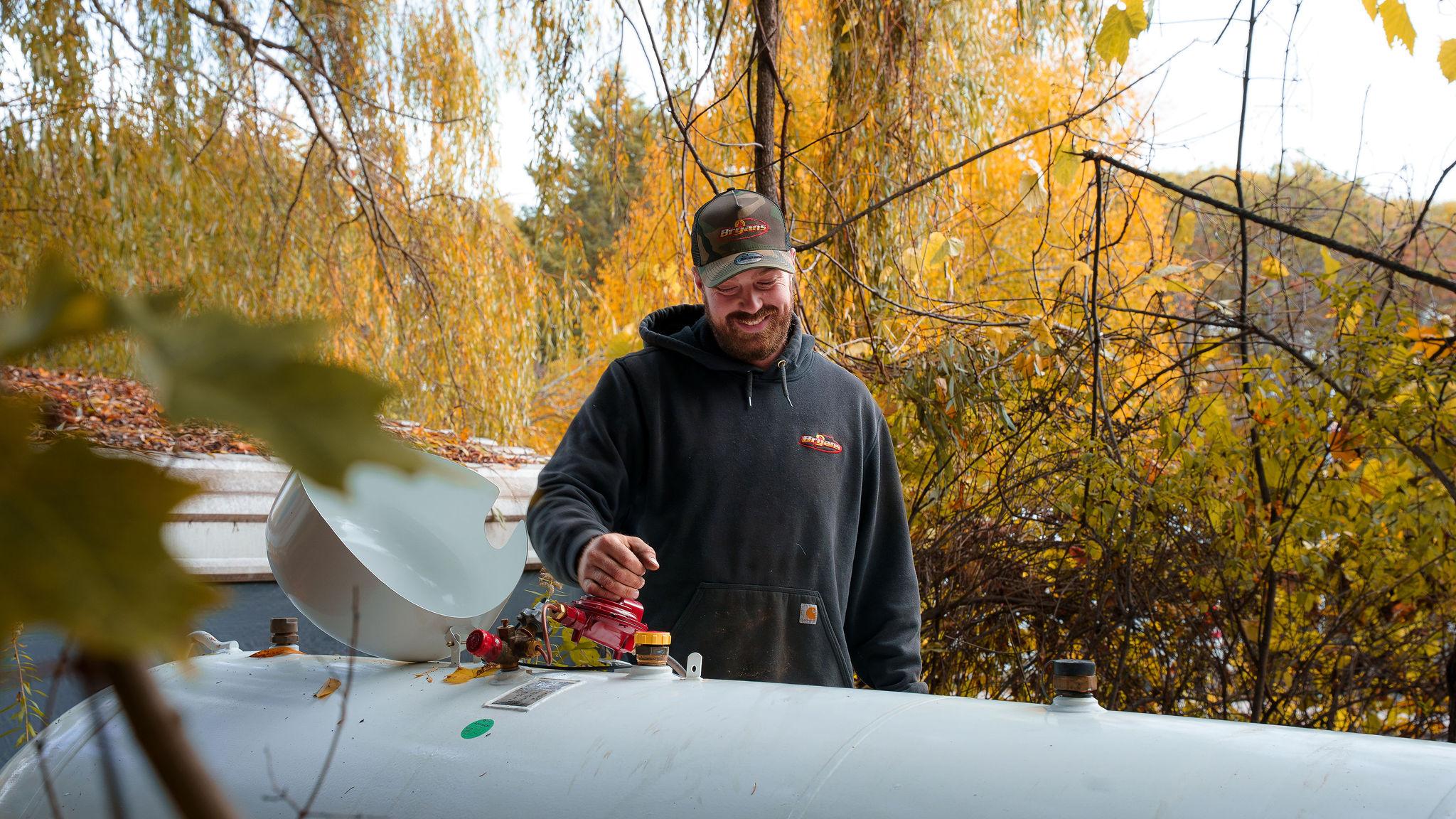
Enrolling in automatic delivery removes tank monitoring from your to-do list entirely. Fills are scheduled based on weather tracking and historical usage patterns, which matters most in mid-February, when severe road conditions make travel difficult and fuel demand peaks.
Before cold weather sets in, confirm these key fuel details:
Automatic delivery status: Verify your account is active and billing details are current.
Smart monitoring: Consider adding a digital tank monitor for real-time tracking and peace of mind.
Fixed pricing: Lock in a predictable rate to avoid mid-winter market spikes.
Completing these eight steps this fall ensures your home stays warm and safe long before winter takes hold. Handling simple tasks like filter replacements, system test runs, alarm checks, and vent clearing now is what prevents emergency calls in January.
For the rest, we’re here whenever you need us. Bryan’s Fuel has been keeping homes warm across Orangeville, Dufferin County, and Southern Ontario for more than 100 years. Our technicians take the time to explain what they find and what it means; you get fair pricing and clear options.
Contact us today to schedule your annual maintenance before the cold settles in.